Heavy rain and cyclone weather are a regular part of storm season, and while most people focus on property damage and flooding, trees can often pose a hidden risk after severe weather has passed. Even trees that appear healthy at first glance may have been weakened below the surface.
Understanding what to look for after heavy rain can help prevent damage to your home, vehicles or surrounding property. In some cases, early action and professional tree removal in Mackay can reduce the risk before it becomes a serious problem. Acting early also gives you more options, rather than dealing with urgent situations after further weather events.
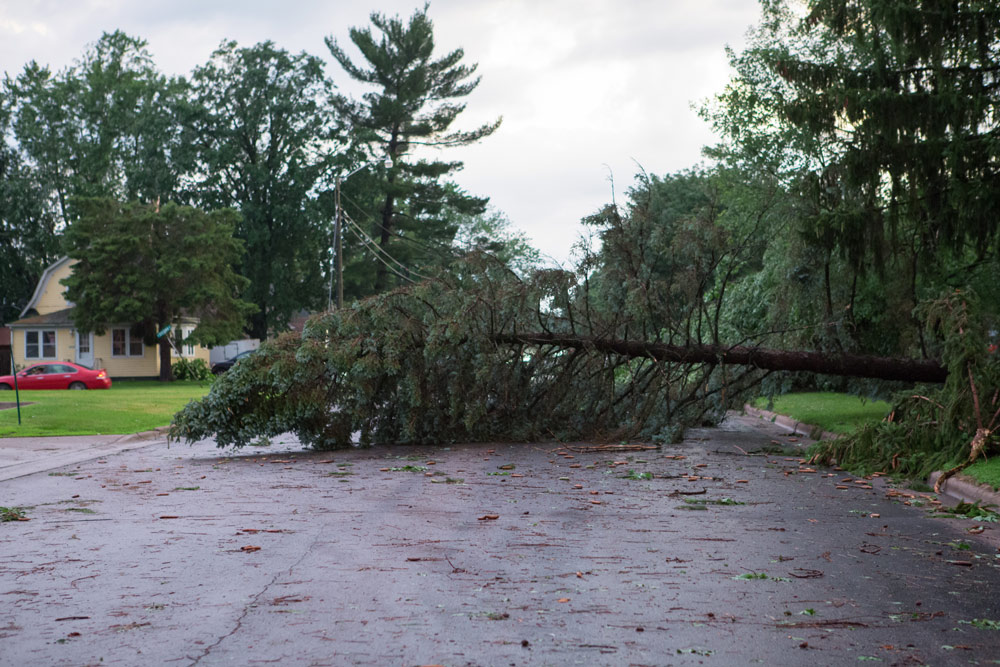
How Heavy Rain Affects Tree Stability
When the ground becomes saturated, it can significantly impact how stable a tree is. Soil that is normally firm can become soft and loose, reducing its ability to hold roots in place.
After prolonged rain or cyclone conditions, trees may experience:
- Reduced support from surrounding soil
- Increased weight from waterlogged branches
- Greater movement during strong winds
These factors can weaken a tree’s structure without obvious signs straight away. Even large, established trees can become unstable when the ground beneath them shifts. In some cases, trees may slowly lean over time rather than falling immediately, making early detection important.
Leaning Trees After Storm Conditions
One of the most noticeable warning signs is a tree that has started to lean. While some trees naturally grow at an angle, a sudden change in position after heavy rain is a concern.
Signs to watch for include:
- A tree leaning more than it did previously
- Soil lifting or cracking on one side of the base
- Roots becoming visible above ground
A leaning tree may indicate that the root system has shifted or partially failed. In these cases, the risk of the tree falling increases, particularly if further rain or wind occurs. Monitoring changes over time can help determine whether the movement is worsening.
Cracked or Hanging Branches
Storms and cyclones often place significant stress on branches. High winds can twist limbs, while heavy rain adds extra weight to foliage.
After severe weather, you may notice:
- Cracks along major branches
- Limbs hanging loosely or partially detached
- Branches resting on structures or other trees
These damaged branches may not fall immediately, but they can drop without warning. This creates a safety risk for people, vehicles and nearby buildings. Addressing damaged branches early helps reduce the chance of further breakage during future storms.
Exposed or Damaged Root Systems
The root system is critical to a tree’s stability. When heavy rain causes soil erosion or movement, roots can become exposed or damaged.
Common indicators include:
- Roots visible above the soil surface
- Soil washed away from around the base
- Signs of root breakage or lifting
Once the root system is compromised, the tree may no longer have the support it needs to remain upright. This is particularly dangerous for larger trees located near structures. Trees with shallow root systems are often more vulnerable in these conditions.
Soil Erosion Around the Base
Heavy rainfall can wash away the soil that supports a tree’s roots. This is especially common in areas with poor drainage or sloped ground.
You may notice:
- Gaps forming around the base of the tree
- Soil appearing loose or uneven
- Water pooling near the trunk
Soil erosion reduces the stability of the tree and increases the likelihood of movement. Even if the tree looks healthy above ground, the loss of support below can create a serious risk. Over time, continued erosion can further weaken the tree’s ability to stay anchored.
Hidden Structural Damage
Not all storm damage is immediately visible. Internal cracks or weakened fibres within the trunk can develop without clear external signs.
This type of damage may include:
- Internal splitting within the trunk
- Stress fractures caused by wind movement
- Weak points that develop over time
Because this damage is not always obvious, a tree may appear stable while actually being at risk of failure. This is why post-storm inspections are important, particularly for trees close to buildings or high-traffic areas. Regular checks can help identify these issues before they worsen.
Increased Risk Near Homes and Powerlines
Trees that are located near structures or infrastructure pose a greater risk after heavy rain or cyclone weather. Even minor instability can have serious consequences if a tree falls in the wrong direction.
Areas of concern include:
- Trees close to homes or sheds
- Branches overhanging driveways or access points
- Trees near powerlines or fencing
In these situations, it is important to act quickly if any warning signs are present. Professional tree removal in Mackay can help reduce the risk and ensure the area remains safe. Taking action early can also help prevent damage to neighbouring properties.
When Professional Assessment Is Needed
After severe weather, it can be difficult to determine whether a tree is safe or not. Some issues are obvious, while others require a closer inspection.
It is worth arranging an assessment if you notice:
- Changes in the tree’s position or structure
- Visible damage to branches or roots
- Signs of soil movement around the base
A qualified arborist can assess the condition of the tree and recommend the best course of action. In some cases, pruning or maintenance may be enough. In others, removal may be the safest option. Getting a professional opinion can help avoid unnecessary risks and give you confidence in the next steps.
The Role of Tree Removal After Storm Damage
When a tree is no longer stable or poses a risk, removal is often the most practical solution. This is particularly important when the tree is close to buildings, access areas or utilities.
Tree removal may be recommended when:
- The root system has been compromised
- The tree is leaning significantly
- Structural damage is present
Professional tree removal in Mackay ensures the process is carried out safely and efficiently. This reduces the risk of further damage and helps restore safety to the area. It also ensures surrounding structures and landscaping are protected during the process.
Getting Help After Severe Weather
Storms and cyclones can leave behind damage that is not always immediately obvious. Taking the time to inspect your trees after heavy rain can help identify potential risks early and reduce the chance of unexpected incidents.
Wade’s Tree Service provides support for property owners dealing with storm-affected trees. If you have concerns about stability or damage, contact our team to arrange an inspection and discuss your options for professional tree removal in Mackay.