After a severe weather event, damaged trees can pose immediate and ongoing risks to homes, vehicles and personal safety. In the days following a cyclone, assessing the condition of your property is critical, especially if branches are down or trunks appear unstable. Prompt attention to storm-damaged vegetation and, where necessary, professional tree removal in Mackay can significantly reduce the risk of further injury or property damage.
Cyclones often leave behind hidden structural weaknesses that are not obvious at first glance. Internal fractures, split limbs and compromised roots may not be visible from ground level. Homeowners across the region rely on experienced tree services in Mackay to identify compromised trees and determine whether they can be safely retained or require removal. Acting quickly protects both your family and your property, particularly before the next weather system moves through.
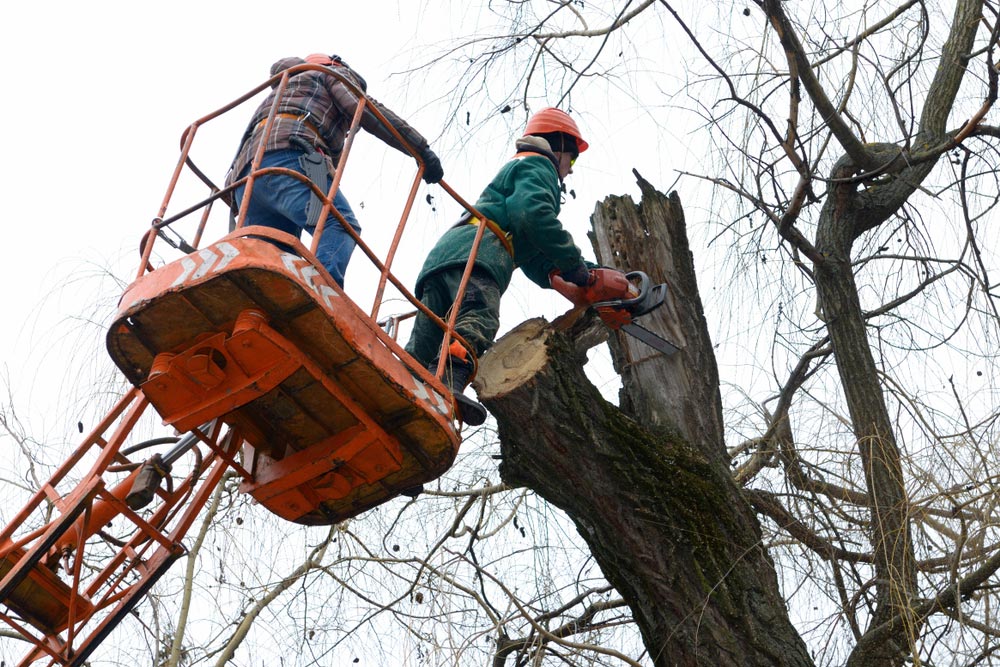
Conducting an Initial Visual Assessment
Before approaching any damaged tree, ensure the surrounding area is safe. Fallen power lines, unstable debris and partially detached branches may still be under tension and capable of shifting suddenly. When conducting a basic visual check, look for:
- Large limbs hanging or partially split
- Cracks running down the trunk
- Exposed or lifted root systems
- Trees leaning toward structures
- Soil heaving around the base
Even if a tree remains standing, internal damage may compromise its structural integrity. Bark splitting or canopy thinning can signal stress that will worsen over time. If you are unsure about stability, avoid attempting to cut or move branches yourself. Engaging qualified Mackay tree services ensures that risks are assessed properly before action is taken and that hazards are controlled using appropriate equipment.
Understanding the Risks of Unstable Limbs
Broken or partially attached limbs present one of the most immediate dangers after a cyclone. These limbs can fall without warning, particularly during subsequent wind gusts or heavy rainfall. Common warning signs include:
- Branches suspended in the canopy
- Visible splintering at attachment points
- Limbs resting precariously on other branches
- Bark stripped from the trunk
Even small limbs can cause injury or damage when falling from height. Larger limbs may carry significant weight and force, increasing the risk of roof or vehicle damage. Attempting to remove large limbs without proper equipment can increase the risk of injury. Professional tree removal in Mackay providers use controlled cutting techniques and safety gear to manage unstable branches safely and systematically.
Identifying Compromised Root Systems
Cyclone-force winds can loosen or partially uproot trees. Even if a tree appears upright, its root system may be significantly weakened beneath the surface. Indicators of root damage include:
- Soil mounds lifted on one side of the tree
- Visible gaps between soil and trunk
- Leaning trees with recently disturbed ground
- Cracked paving or nearby structures
When roots are torn or severed, the tree’s anchoring strength is reduced. Over time, gravity and further rainfall can worsen instability. A compromised root system reduces a tree’s ability to withstand future wind events. In some cases, a tree may initially survive a cyclone but fail weeks later due to delayed structural collapse. Consulting experienced tree services in Mackay helps determine whether stabilisation is realistic or if removal is the safer option.
Evaluating Leaning Trees & Structural Instability
Not all leaning trees require removal, but a sudden change in angle following a cyclone is a serious concern. Trees that lean toward homes, sheds or driveways present heightened risk. Key considerations include:
- Degree of lean
- Direction relative to structures
- Soil stability
- Visible trunk cracking
Trees may appear stable immediately after the storm but continue shifting as saturated soil dries out. Structural assessment requires experience, particularly when internal splitting is involved. Professional tree removal in Mackay teams evaluate the entire structure, including canopy weight distribution and root integrity, before recommending action.
When Immediate Professional Intervention Is Necessary
Certain situations require urgent attention:
- Trees entangled with power lines
- Large limbs resting on roofs
- Trunks split through the centre
- Trees blocking driveways or emergency access
In these cases, delaying action increases risk. Attempting to manage these hazards without training or equipment can lead to serious injury. Electrical hazards, in particular, must never be approached without appropriate clearance from authorities. Qualified Mackay tree services are equipped to manage complex removals and hazardous situations safely. Prompt intervention reduces further structural damage and ensures the area is secured properly, preventing escalation of the problem.
Hidden Damage That Appears Later
Cyclone damage is not always immediate. Trees may show stress weeks after the event, particularly as internal decay develops in damaged areas exposed to moisture. Delayed warning signs can include:
- Progressive leaf drop
- Fungal growth around wounds
- Cracking sounds during wind
- Continued leaning over time
Water entering damaged sections of a tree can accelerate rot, weakening structural fibres. Monitoring affected trees after a cyclone is essential. Early detection of delayed structural weakness allows homeowners to arrange tree removal in Mackay before conditions worsen and before the next severe weather event exposes the weakness further.
Reducing Liability & Long-Term Property Damage
Storm-damaged trees that remain untreated can create liability concerns. If a weakened tree falls and damages neighbouring property, homeowners may face repair responsibilities. Taking proactive steps through qualified tree services in Mackay demonstrates reasonable care and helps protect against potential disputes. Addressing unstable trees promptly also prevents damage to fencing, sheds, retaining walls and driveways.
Beyond immediate safety, removing or stabilising compromised trees reduces the likelihood of repeated clean-up efforts. Long-term property value can also be affected if visible storm damage is left unresolved.
Deciding Whether a Tree Can Be Saved
Not every storm-damaged tree requires removal. In some cases, selective pruning, canopy reduction or structural reshaping may restore balance and reduce wind resistance. Factors influencing retention decisions include:
- Overall tree health prior to the cyclone
- Extent of canopy damage
- Root system condition
- Proximity to structures
A healthy tree with limited canopy damage may recover well with professional pruning. However, trees with extensive trunk splitting or severe root displacement may present ongoing risk. Experienced Mackay tree services assess whether a tree remains viable or poses continuing hazards, providing clear recommendations based on safety and structural stability rather than appearance alone.
Taking Action After a Cyclone
Post-cyclone recovery involves careful inspection, informed decision-making and, where required, professional intervention. Damaged trees may not always present immediate visible danger, but underlying structural weaknesses can lead to unexpected failure weeks or months later. Arranging professional assessment and, when necessary, tree removal in Mackay helps restore safety and reduce future risk. Acting promptly protects homes, vehicles and family members from preventable harm, particularly before further storms occur.
For guidance following cyclone damage, Wade’s Tree Services provides experienced support for storm-affected properties across the region. To learn more about safe and reliable tree services in Mackay, visit our website and arrange a professional inspection.